
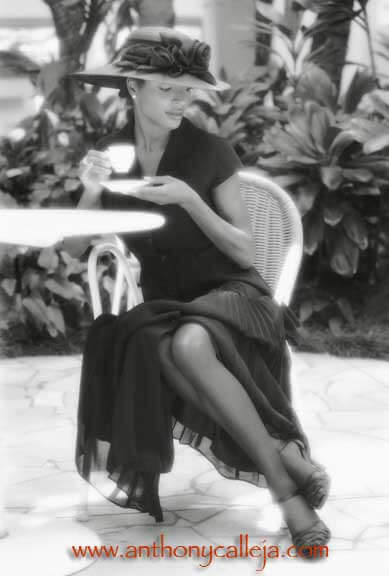
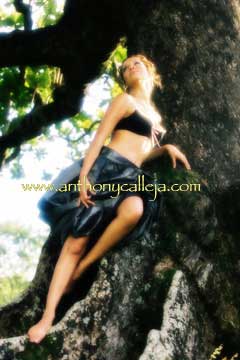
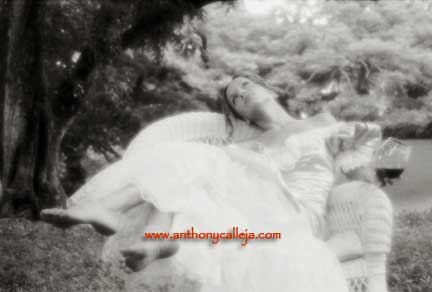
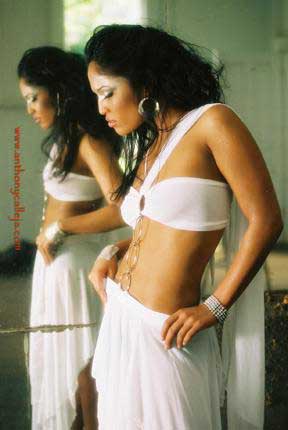
Hawaii Fashion Photography
See: Fashion Photography / Glamour Photography / Swimsuit Photography / Hawaii Model Search / Modeling Headshots / Boudoir Photography / Modeling Photography FAQ / Modeling Photography Packages
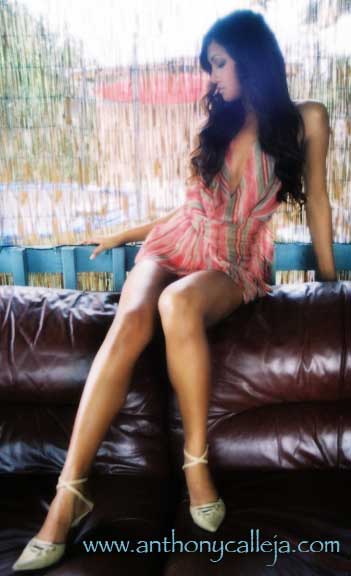
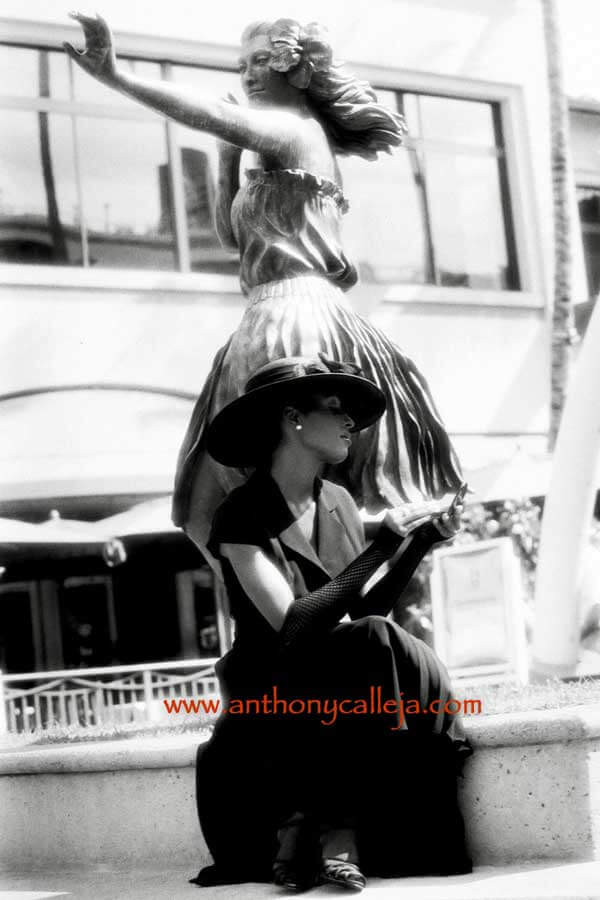
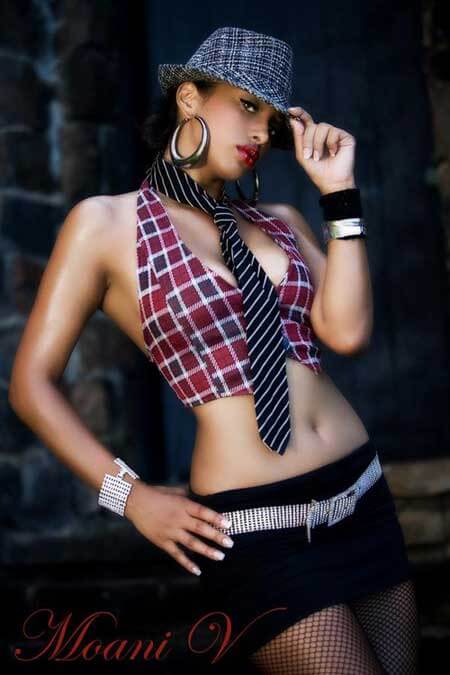
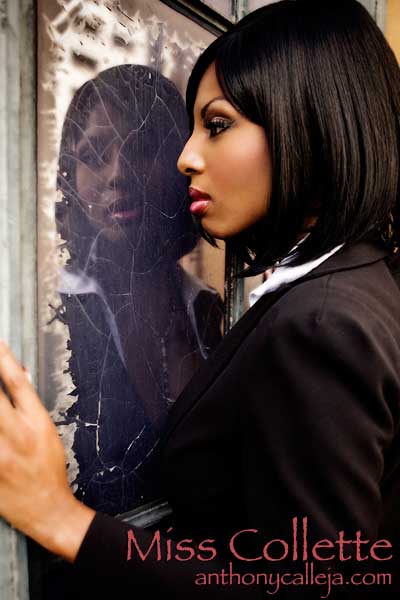
Aloha! Welcome to the Fashion photography section of my website. My name is Anthony Calleja, and I am a Fashion photographer based in Kapolei, Hawaii.
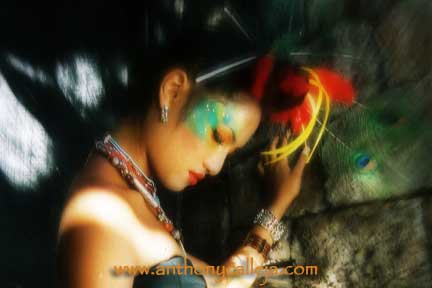
Great photos come from the connection between the photographer's ability to create art and the Model's ability to express themselves for the camera. That's where communication comes in. It would help if you said what you hope for in the photos, exchanging ideas with you.
The photographer will sometimes "direct" you to lean this way or that, to shake it out to feel a little looser, to "hold it…that's exactly it…that's the shot!"
Thinking about updating your Modeling Portfolio or would you like some fashion photos of your Hawaii Memories? My Modeling Photography Services are Fun and Affordable.
Be In Touch!
When requesting availability for a fashion Photography Session, please provide as much detailed information as possible regarding your photography needs.
Please be sure to include:
- What dates will you be in Oahu?
- Where are you staying while visiting Oahu?
- What is your phone number?
- Do you have a location, date, and time preference?
Calls and emails are always welcome. (808)3497917 - callejaphoto@gmail.com
I will reply to your email within 12 hours of receiving your email.
Please check your spam folder if you did not receive my reply by then.
Fashion Photography





 Veteran-Owned
 Maltese-Owned
 LGBTQ+ friendly
 Made In America